
How IoT Shelf Technology Improves Inventory Accuracy in Real Time
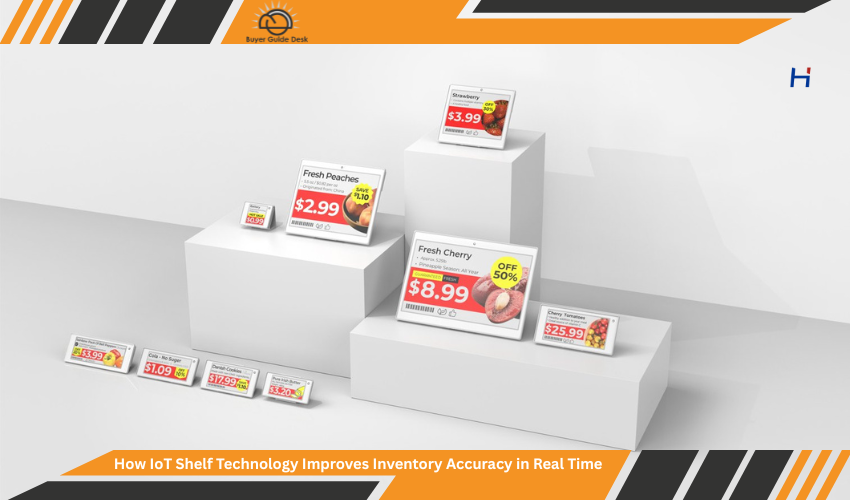
In 2026, inventory accuracy has become just as important as pricing accuracy. Retailers that don’t know what’s on their shelves or can’t connect that information to sales and stock systems leave profit on the table, frustrate customers, and waste time and money.
That’s where modern IoT shelf technology comes in. By turning every shelf into a connected device, retailers can track stock levels, detect gaps, and trigger replenishment alerts instantly all in real time.
At the forefront of this transformation are smart retail solutions from companies like Hanshow, whose digital shelf products integrate ESLs with IoT sensors and store platforms to deliver unprecedented inventory accuracy.
Table of Contents
-
Retail Inventory Challenges Before IoT
-
What IoT Shelf Technology Actually Is
-
How IoT Shelf Sensors Automatically Detect Stock Levels
-
Real-Time Inventory Visibility Across Stores
-
Reducing Out-of-Stock and Overstocks With Smart Shelves
-
Integration With POS and Back-Office Systems
-
The Role of ESLs in IoT Inventory Tracking
-
Improved Labor Efficiency Through Automated Monitoring
-
Better Customer Experience With Accurate Shelves
-
Final Thoughts
Retail Inventory Challenges Before IoT
Traditional inventory systems have long relied on:
-
manual shelf checks
-
periodic cycle counts
-
estimated stock levels
-
delayed POS updates
-
periodic audits
These approaches lead to:
-
out-of-stock situations
-
incorrect product availability
-
excess safety stock
-
inaccurate reports
Fixing these problems manually is expensive and never fully efficient.
What IoT Shelf Technology Actually Is
At its core, IoT (Internet of Things) shelf technology embeds sensors and connected devices into physical store shelves. These devices communicate:
-
stock changes
-
product movement
-
shelf status changes
-
alerts to central retail systems
This creates a real-time view of what’s happening on every shelf not just in the backroom or at the checkout.
How IoT Shelf Sensors Automatically Detect Stock Levels
IoT shelf systems typically use:
-
weight sensors
-
optical sensors
-
RFID readers
-
integration with ESL data
When a product is removed or added, the system instantly detects the change and updates the backend inventory. No manual scanning. No lag.
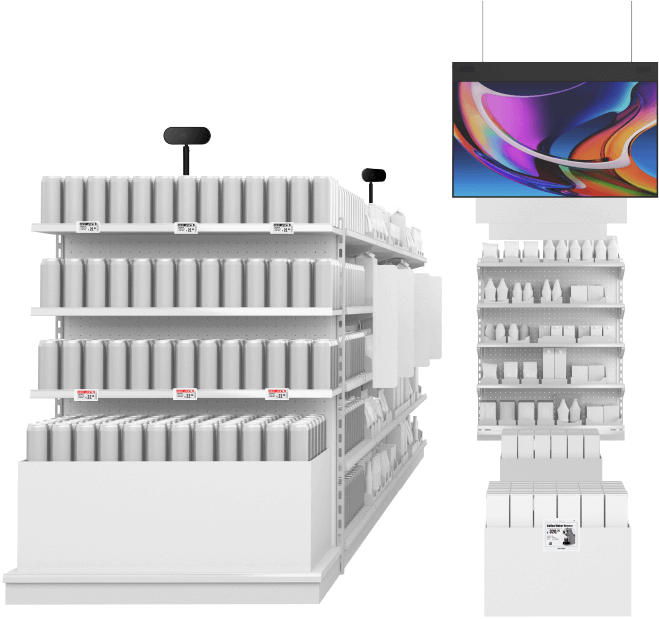
This means inventory data becomes accurate in real time.
Real-Time Inventory Visibility Across Stores
Real-time shelf data flows directly into the retailer’s central system, giving:
✔ hourly stock level updates
✔ alerts for low or empty shelves
✔ visibility into high-demand items
✔ early warning for shrinkage or misplaced items
Instead of waiting for end-of-day reports, retailers can react instantly.
Reducing Out-of-Stock and Overstocks With Smart Shelves
Poor inventory accuracy creates two big problems:
Out-of-Stock
Customers arrive, but shelves are empty.
Sales drop. Loyalty weakens.
Overstock
Excess stock sits on shelves and racks.
Cash flow is tied up. Waste increases.
IoT shelf data helps balance stock Smart replenishment triggers when counts dip, and system alerts prevent unexpected gaps.
Integration With POS and Back-Office Systems
The biggest power behind IoT shelves is when they integrate with:
-
Point of Sale (POS) systems
-
Procurement systems
-
Replenishment planning
-
Demand forecasting tools
This creates a feedback loop:
-
sale occurs
-
shelf sensor detects product removal
-
inventory count updates instantly
-
replenishment triggers if needed
This level of synchronization would be impossible with manual systems.
The Role of ESLs in IoT Inventory Tracking
ESLs (Electronic Shelf Labels) don’t just show prices. When part of an IoT shelf ecosystem, they offer:
-
real-time updates
-
instant data transmission
-
synchronized displays
-
unit price verification
With smart labels acting as IoT endpoints, shelf displays become active inventory sensors that feed data back to central systems.

This unified approach drives both pricing and inventory accuracy.
Improved Labor Efficiency Through Automated Monitoring
Manual shelf checks require:
-
staff walking aisles
-
scanning products
-
logging results
-
entering data
With IoT shelf technology, most of these tasks are automatic:
✔ alerts for low stock
✔ reports generated in real time
✔ less time spent on cycle counts
✔ staff freed for customer engagement
Labor hours spent on basic stock tasks can drop significantly across large stores.
Better Customer Experience With Accurate Shelves
Accurate inventory isn’t just a back-end benefit it directly impacts shoppers:
✔ fewer “out of stock” disappointments
✔ accurate online availability info
✔ smoother pickup/fulfillment
✔ confident purchasing decisions
Customers expect accuracy and transparency, and smart shelves help deliver it.
Final Thoughts
IoT shelf technology is redefining how retailers think about inventory accuracy. By combining:
-
connected sensors
-
ESL systems
-
real-time data
-
automated alerts
-
integrated back-end systems
stores gain a complete, accurate view of stock at the shelf itself not just at checkout or in the back room.
For supermarkets, big box stores, and large retail chains, this means:
-
less labor
-
fewer stock issues
-
better customer satisfaction
-
more profitable operations
In 2026 and beyond, connected store shelves aren’t a futuristic idea they’re rapidly becoming essential infrastructure.
At BuyerGuideDesk, we are dedicated to helping you shop more intelligently, spend more judiciously, and find superior value online. Regardless of whether you are a student, a parent, a fashion enthusiast, or just a sensible shopper, we link you to dependable savings opportunities and trustworthy buying options from your preferred brands across the globe
Subscribe
Sign up below to receive money-saving tips, frugal ideas, family-friendly recipes, and more.