
How to Improve Digestion Naturally: Best Prebiotics, Probiotics, and Postbiotics
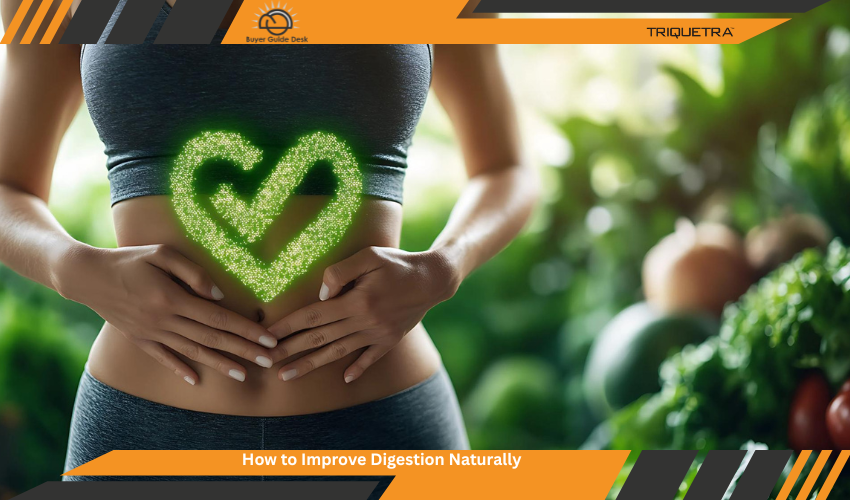
Digestive health affects energy, immunity, mood, and overall well-being. If your digestion feels off whether it’s bloating, irregularity, or discomfort — it’s worth understanding the key players that support your gut. This guide explains how to improve digestion naturally with prebiotics, probiotics, and postbiotics, what they do, and how to incorporate them into your routine.
.TABLE OF CONTENTS
-
Introduction
-
Why Digestion Matters
-
Understanding Prebiotics, Probiotics, and Postbiotics
-
How Prebiotics Support Gut Health
-
Probiotics: Beneficial Bacteria Explained
-
Postbiotics: The Latest in Microbiome Support
-
Natural Sources vs Supplementation
-
Daily Habits to Improve Digestion
-
How to Choose Effective Gut Health Supplements
-
When to See a Professional
-
Frequently Asked Questions
-
Final Thoughts
INTRODUCTION
Many people struggle with digestion at some point in their lives. Symptoms like bloating, gas, constipation, or loose stools aren’t just uncomfortable they can signal that your digestive system isn’t functioning as well as it could.
Rather than relying solely on medication, natural strategies such as prebiotics, probiotics, and postbiotics can help balance your gut environment and improve digestion over time. These aren’t trendy buzzwords they’re biologically active components that influence how your digestive system works at a fundamental level.
In this guide, you’ll learn how they work, why they matter, and how to use them effectively.
See high-quality digestive support products at Triquetra Health.
WHY DIGESTION MATTERS
Digestion isn’t just about breaking down food. It influences:
-
Nutrient absorption
-
Immune system function
-
Hormone signaling
-
Inflammation levels
-
Mood and energy balance
When digestion is off, a lot of other systems in your body feel it too. That’s why improving digestion naturally is one of the most impactful steps you can take for overall health.
UNDERSTANDING PREBIOTICS, PROBIOTICS, AND POSTBIOTICS
These terms are often used together, but they play different roles.
Prebiotics
Prebiotics are types of fiber that feed the beneficial bacteria already living in your gut.
Probiotics
Probiotics are live beneficial bacteria that support the balance of your gut microbiome.
Postbiotics
Postbiotics are byproducts produced by probiotics including short-chain fatty acids and metabolites that help your gut function and communicate with your immune system.
Together, they create a balanced ecosystem in your digestive tract.
HOW PREBIOTICS SUPPORT GUT HEALTH
Prebiotics serve as fuel for good bacteria, helping them thrive and maintain a healthy balance in your gut.
Natural Sources of Prebiotics
Common prebiotic-rich foods include:
-
Onions
-
Garlic
-
Leeks
-
Asparagus
-
Bananas (especially slightly green)
-
Jerusalem artichokes
-
Chicory root
Prebiotic fibers pass through the stomach undigested and are fermented by bacteria in the colon, promoting the growth of beneficial strains.
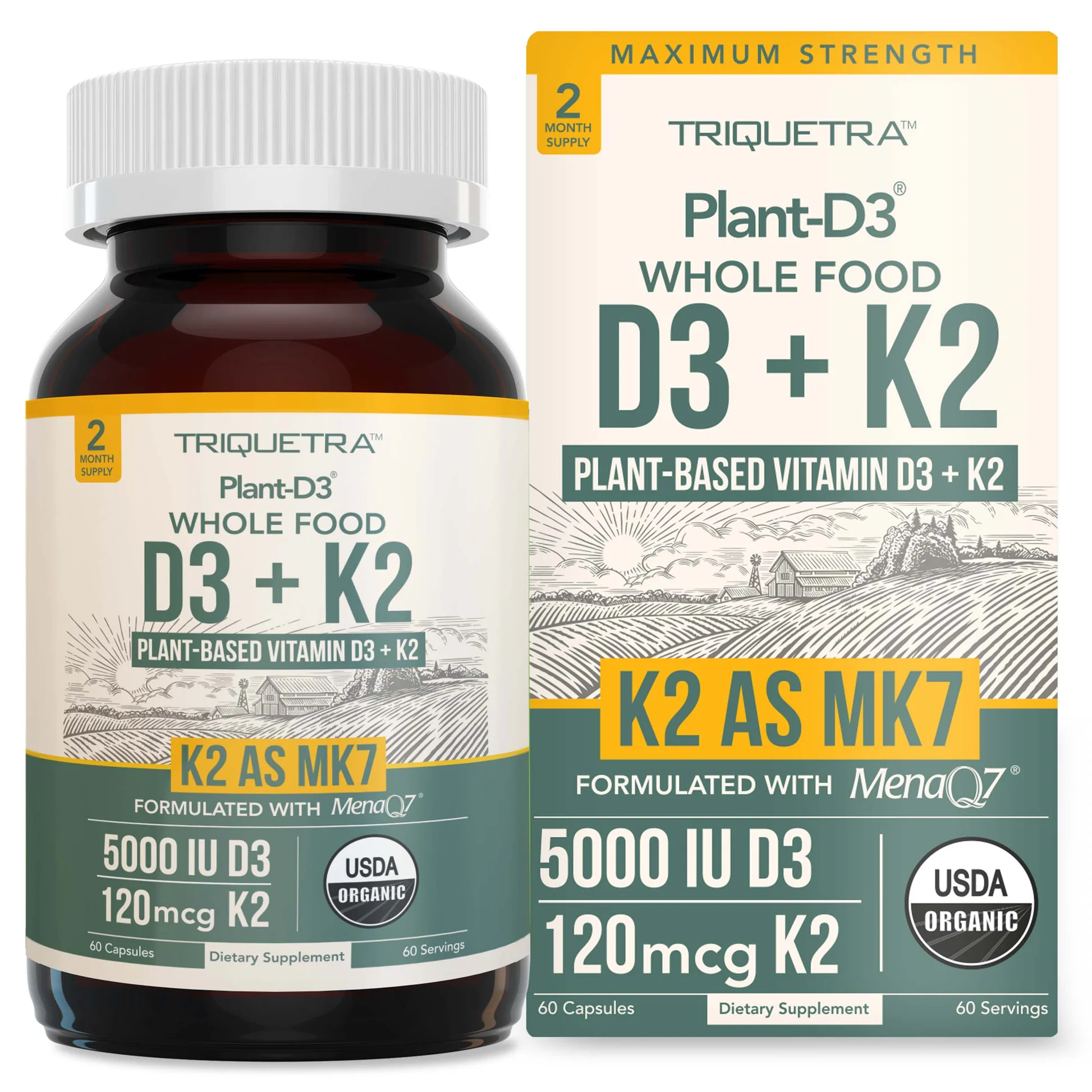
PROBIOTICS: BENEFICIAL BACTERIA EXPLAINED
Probiotics are live bacteria that add to the population of “good” microbes in your gut.
Common Probiotic Strains
-
Lactobacillus species — often support digestion and lactose metabolism
-
Bifidobacterium species — important for colon health
-
Saccharomyces boulardii — a beneficial yeast strain used for digestive balance
These strains help:
-
Break down food
-
Synthesize certain vitamins
-
Support immune function
-
Reduce inflammation
Natural Food Sources
-
Yogurt with live cultures
-
Kefir
-
Sauerkraut
-
Kimchi
-
Kombucha
-
Miso and tempeh
Probiotic supplementation can be particularly helpful when dietary sources are limited or your gut microbiome is imbalanced.
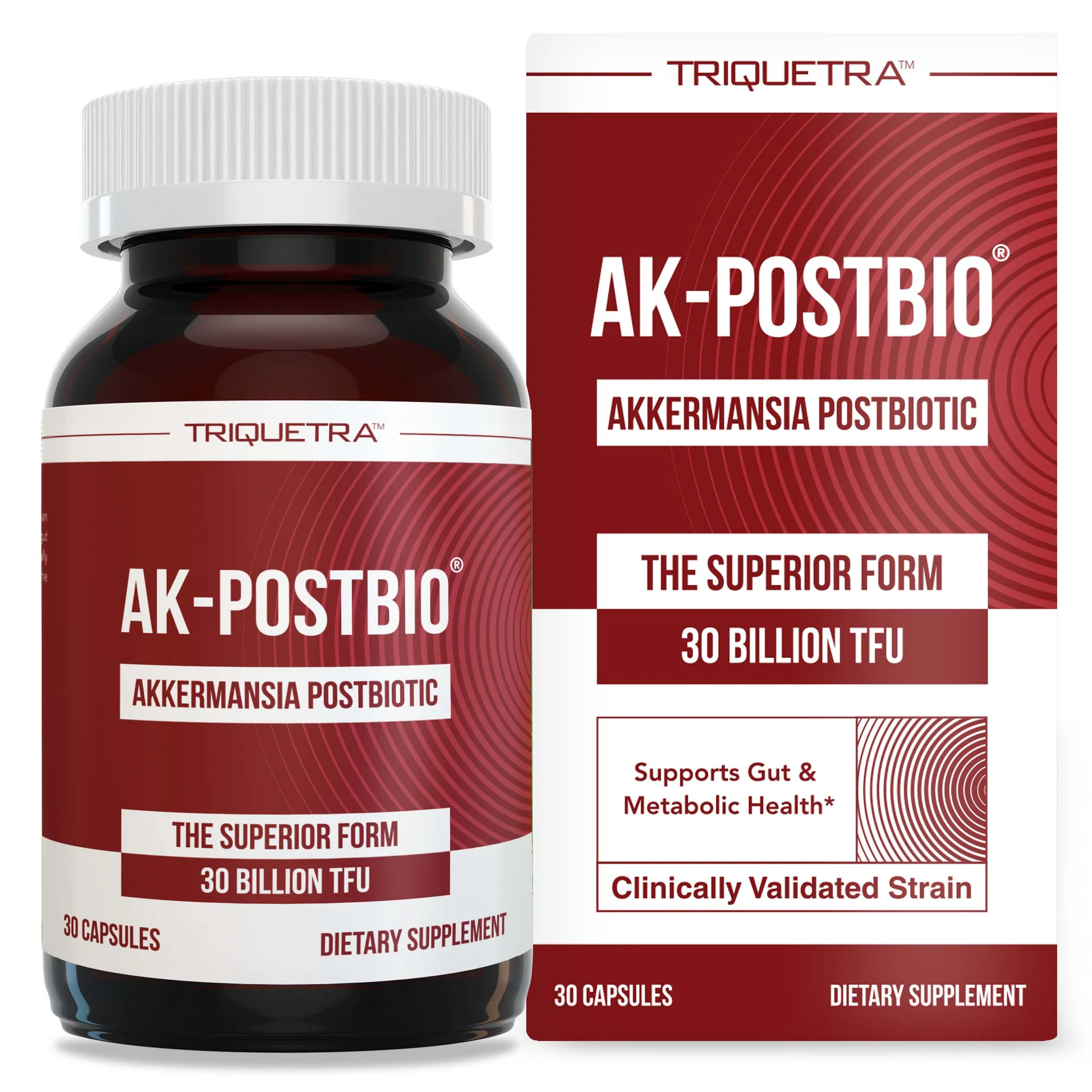
POSTBIOTICS: THE LATEST IN MICROBIOME SUPPORT
Postbiotics are gaining attention because they represent the results of probiotic activity. Instead of introducing new bacteria, they deliver compounds that beneficial microbes produce naturally.
These include:
-
Short-chain fatty acids (SCFAs) like butyrate
-
Anti-inflammatory metabolites
-
Cell wall fragments that support immune communication
Postbiotics help bridge the gap between probiotics and digestive function by acting directly in the gut environment.
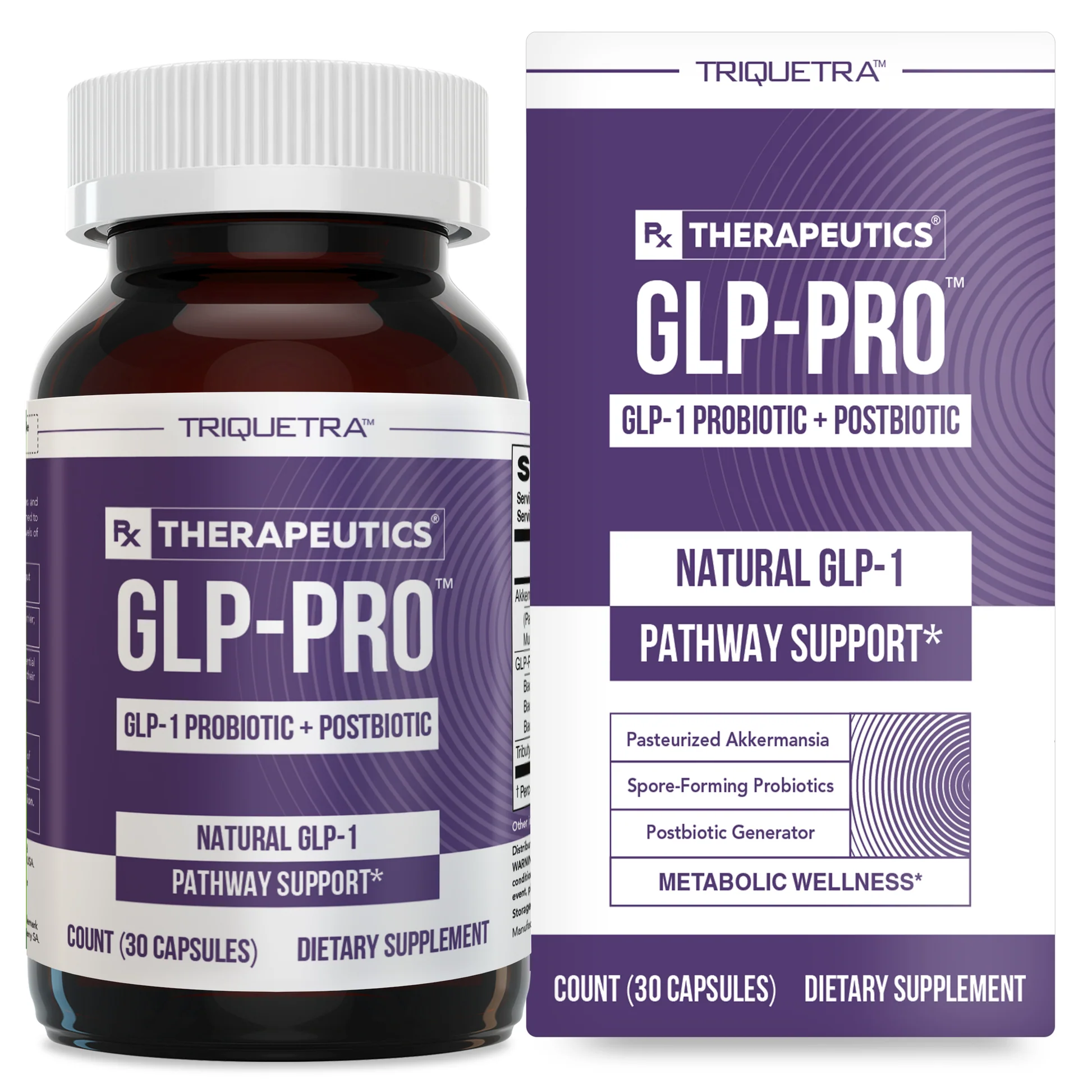
NATURAL SOURCES VS SUPPLEMENTATION
Natural Foods
Food is the foundation of digestive health. Prebiotic fibers and fermented foods provide real-world nutrients your body recognizes.
Supplements
Supplements are useful when you need consistent intake or have specific digestive concerns. They allow for:
-
Targeted strains
-
Standardized doses
-
Convenient daily use
Some supplements combine prebiotics and probiotics (synbiotics) to support balance from both ends.
Always choose products with transparency around strains, CFU counts, and formulation.
DAILY HABITS TO IMPROVE DIGESTION
Healthy digestion is a lifestyle, not a quick fix. Along with prebiotics, probiotics, and postbiotics, these habits help:
1. Eat a Fiber-Rich Diet
Fruits, vegetables, legumes, and whole grains keep your gut moving.
2. Stay Hydrated
Water facilitates digestion and helps prevent constipation.
3. Move Regularly
Even light movement promotes intestinal function.
4. Prioritize Sleep
Poor sleep disrupts your microbiome and digestion.
5. Manage Stress
Chronic stress interferes with digestive signaling and gut motility.
Combining these with gut-supportive nutrients strengthens your digestive system over time.
HOW TO CHOOSE EFFECTIVE GUT HEALTH SUPPLEMENTS
With so many products available, here’s how to pick wisely:
Look for Evidence-Based Strains
For probiotics, check for well-studied strains with clear benefits.
CFU Counts Matter
A good starting range is 5–20 billion CFUs, but clinical needs may vary.
Prebiotic Fiber Type
Inulin, fructooligosaccharides (FOS), and galactooligosaccharides (GOS) are common prebiotics with strong evidence.
Transparency and Testing
Choose brands that list ingredients fully and third-party test for purity.
See premium digestive health supplements at Triquetra Health.
WHEN TO SEE A PROFESSIONAL
Natural approaches help many people, but persistent or severe digestive issues deserve professional attention. Talk with your healthcare provider if you experience:
-
Chronic pain or discomfort
-
Frequent bloating or gas
-
Sudden weight changes
-
Blood in stool
-
Persistent diarrhea or constipation
-
Acid reflux that doesn’t improve with lifestyle changes
Your provider can help rule out underlying conditions and recommend tailored support.
FREQUENTLY ASKED QUESTIONS
Can I take prebiotics and probiotics together?
Yes they work synergistically when taken together or through diet. Some supplements combine both into synbiotics.
How long before I see results?
Some people notice improvements in days, but consistent change often takes several weeks.
Are prebiotics the same as fiber?
Prebiotics are a type of fiber that specifically feeds beneficial bacteria.
Can fermented foods replace supplements?
They help significantly, but supplements can provide consistent doses and specific strains.
Do postbiotics need refrigeration?
It depends on the formulation check product instructions.
FINAL THOUGHTS
Improving digestion naturally doesn’t have to be complicated. Prebiotics, probiotics, and postbiotics support your gut at different stages feeding, populating, and reinforcing a healthy microbiome. Combined with balanced habits like hydration, movement, and fiber-rich foods, they create a foundation for long-term digestive health.
Whether you prefer whole foods or targeted supplements, understanding how these elements work empowers you to make choices that fit your lifestyle and reward your gut.
Discover digestive support solutions at Triquetra Health. to help your gut feel its best.
At BuyerGuideDesk, we are dedicated to helping you shop more intelligently, spend more judiciously, and find superior value online. Regardless of whether you are a student, a parent, a fashion enthusiast, or just a sensible shopper, we link you to dependable savings opportunities and trustworthy buying options from your preferred brands across the globe
Subscribe
Sign up below to receive money-saving tips, frugal ideas, family-friendly recipes, and more.