
RV SnapPad Review 2026: Are Its Permanent RV Jack Pads Worth It?
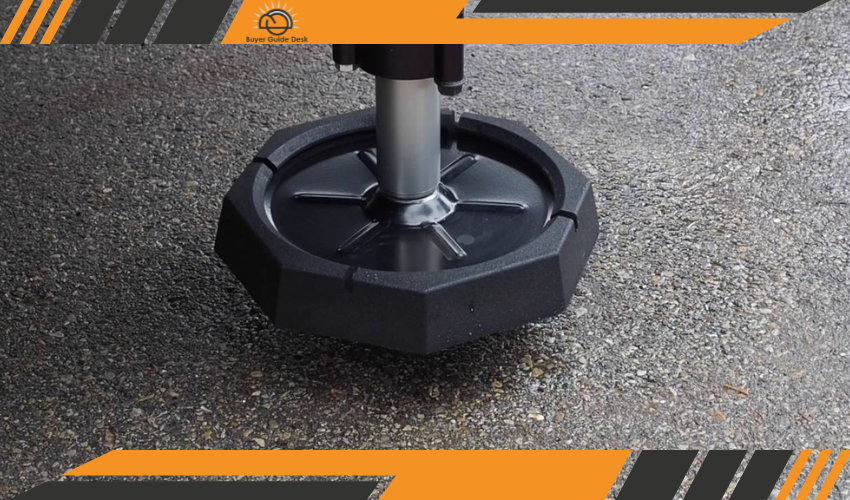
RV SnapPad has built an entire business around solving one of the less glamorous parts of RV ownership: what goes underneath the leveling and stabilizing jacks. Instead of carrying separate blocks or pads and positioning them every time you set up camp, SnapPad's system attaches permanently to the RV's existing jack feet. The idea is straightforward—pull into a campsite, lower the jacks, and the larger rubber feet are already there.
The concept sounds almost too simple to justify spending $150–$300 or more on a set of rubber jack pads. And that's exactly what makes SnapPad worth examining closely. The company isn't selling a complicated electronic gadget or a major RV upgrade. It's selling convenience, increased contact area and a more permanent solution to leveling. For many RV owners, that convenience can genuinely be valuable. But compatibility is critical, the pads add weight and ground clearance, and some RV configurations can experience clearance problems. So the question isn't whether SnapPads work at all. It's whether the additional convenience and stability are worth the relatively high accessory price for your particular RV.
Check Today's Price
What Is RV SnapPad?
RV SnapPad is a line of permanent jack pads designed to attach to the leveling or stabilizing feet already installed on an RV, travel trailer, fifth wheel or other towable. Unlike traditional plastic leveling blocks or wooden boards, SnapPads remain attached to the RV. The company describes them as the world's only permanent jack pad, with products designed for numerous leveling systems including LCI, HWH, Equalizer, Bigfoot, BAL, Power Gear, Kwikee and others.
The pads are generally made from recycled rubber, and the company says more than 50,000 tires have been diverted from American landfills and converted into SnapPads. The products are also marketed as being made in the USA, although individual newer products can include components or manufacturing steps elsewhere, so buyers should distinguish between the company's overall U.S. manufacturing claim and the specifications of individual products.
The basic principle remains the same across the lineup: increase the footprint underneath the jack, improve grip and leave the pad attached so you don't have to carry and position separate blocks every time you camp.
How Do SnapPads Work?
Installation is relatively simple in principle. The RV's leveling foot is positioned over the SnapPad and lowered into the pad's recessed cavity. Once enough pressure is applied, the rubber lip wraps around the metal foot and snaps into place. RV SnapPad recommends using ordinary dish soap around the inner lip to make installation easier. It specifically warns against petroleum-based lubricants such as WD-40 or silicone products because they can negatively interact with the rubber.
The important word here is snap. These are not designed to be casually removed every weekend. Once installed, the company intends them to remain attached to the jack feet permanently. That is the main reason SnapPads can be useful. You aren't replacing your existing leveling system; you're effectively adding a larger, grippier permanent foot to it.
The Main Advantage: Convenience
This is where SnapPad makes the strongest argument. Anyone who has set up an RV regularly knows that leveling can involve a surprising amount of repetitive work. You may need to position blocks, move them when the RV shifts, retrieve them when breaking camp and store them somewhere afterward. SnapPads eliminate much of that routine. Once installed, you lower your existing jacks and the pads are already positioned correctly. There is no separate collection of plastic blocks to carry, no searching through storage compartments and no need to crawl around positioning individual pads every time you arrive.
For occasional RVers, that may be a nice convenience. For people who travel frequently, the accumulated time savings can become much more meaningful. That's also why SnapPads make more sense for full-time or frequent RV users than someone who camps two weekends a year. The more often you set up and tear down, the more valuable the permanent attachment becomes.
Do SnapPads Make an RV More Stable?
They can improve the physical footprint underneath a jack, but buyers should be careful with the word "stability."
Many SnapPad products significantly increase the contact area compared with the original metal jack foot. For example, the XTRA 4-Pack for 9-inch round jack feet has an 11-inch overall width and is advertised as providing approximately 61% more surface area than the original foot.
The larger rubber footprint can be especially useful on surfaces such as gravel, grass and softer ground, where a small metal foot may be more likely to sink or shift. The rubber construction also provides more grip than bare metal. But SnapPads are not a substitute for proper RV leveling technique. They don't magically eliminate movement from the RV itself, and they aren't designed to compensate for an incorrectly positioned or overloaded rig. Think of them as improving the interface between the leveling jack and the ground rather than transforming the underlying leveling system.
SnapPad XTRA
The XTRA line is one of the company's most recognizable products and is designed primarily around 9-inch round LCI leveling feet. The current XTRA 4-Pack is listed at about $159.95, while the six-pack is around $219.95. Individual replacement pads are around $54.95. The XTRA adds approximately one inch of thickness to the jack foot and provides about 61% additional surface area. Each standard pad weighs roughly five pounds.
That means a four-pad installation adds around 20 pounds to the RV. Twenty pounds is not much compared with the weight of a motorhome or fifth wheel, but it is worth remembering because the selling point is often presented entirely in terms of convenience. You are permanently adding material and weight to the leveling system. For the right LCI-equipped RV, however, the XTRA is probably the clearest example of SnapPad's core concept: install once, leave it attached and gain a larger contact footprint every time you camp.
SnapPad XTRA XL
The XTRA XL takes the same concept further for larger 12-inch round LCI jack feet. The current XTRA XL 4-Pack is listed around $299.95, while the two-pack is around $169.95 and individual replacements around $89.95. The individual XL pad weighs approximately 8.4 pounds and has a total diameter of about 13.75 inches. The company says it adds approximately 40% additional surface area and roughly one inch of thickness.
This is where SnapPad's pricing becomes harder to ignore. A four-pack approaching $300 is not an insignificant RV accessory purchase. For a high-end motorhome owner who camps frequently, that may be perfectly reasonable. For an occasional camper who already owns inexpensive leveling blocks, the economics are much harder to justify.
SnapPad HiWay
The HiWay line is aimed at motorhomes using HWH leveling systems. The current HiWay 8 4-Pack is around $139.95, while the HiWay 10 4-Pack is around $199.95. There are also mixed-size and larger configurations. The basic appeal is identical to the XTRA: a larger permanent rubber footprint that stays attached to the hydraulic leveling feet. This can be particularly useful for motorhome owners because motorhomes often have substantial leveling systems where crawling underneath the vehicle to position loose blocks is inconvenient. But once again, exact fit matters. The fact that a product is labeled "HiWay" does not mean it will work on every motorhome.
SnapPad EQ and Bigfoot Options
SnapPad also makes products for Equalizer and Bigfoot leveling systems. The EQ range includes four-packs currently priced from roughly $164.95 for compact configurations to nearly $300 for some larger Grand configurations. The Bigfoot BF line includes products such as the BF 7 4-Pack at around $164.95 and the BF 10 4-Pack at approximately $249.95. These products are useful examples of why you shouldn't simply shop for the largest SnapPad you can afford.
The pad needs to match the actual jack foot. Shape, diameter, thickness, lip geometry and surrounding clearance can all matter. A pad that looks close enough in a photograph may not be appropriate for the actual leveling system installed on your RV. SnapPad itself repeatedly tells customers to verify their rig before ordering.
SnapJack Products
One of the more interesting developments in the current lineup is SnapJack, which moves beyond simply slipping a rubber pad over an existing foot. The SnapJack SJ is designed for many scissor-jack applications and uses a custom metal foot combined with a SnapPad rubber component. It is intended for travel trailers, fifth wheels and other towable RVs. The SnapJack QD similarly replaces certain LCI stabilizer feet and is designed around specific PSX1, PSX2 and Quick Drop systems.
This is a more substantial upgrade than the traditional SnapPad because you're replacing the existing stabilizer foot rather than simply adding rubber around it. For owners with compatible systems, this can provide a substantial increase in contact area. But compatibility becomes even more important because these are system-specific products rather than generic leveling blocks.
What About SnapPads on Travel Trailers?
SnapPads can make particular sense on travel trailers because stabilizer-jack setup is otherwise repetitive. Instead of placing blocks underneath multiple stabilizer feet every time you arrive, a permanent pad stays attached. The Mini products are designed for smaller 5.5- and 6-inch jack feet, while other products accommodate larger stabilizer and landing feet. However, travel-trailer owners need to pay close attention to what their jack feet actually look like. SnapPads are not universally compatible with every shape.
For example, the company specifically warns that certain Mini products won't work with jack feet that have curved-up or concave edges. That isn't a minor technicality. Buying the wrong pad can turn what should be a simple installation into a return or compatibility problem.
Are SnapPads Easy to Install?
They're easier to understand than they are necessarily to install. The official procedure is straightforward: position the pad under the foot, use dish soap on the inner lip and lower the jack until the rubber snaps around the metal foot. The company recommends having another person help with installation and emphasizes keeping fingers away from pinch points. Owners generally describe installation as manageable, but some forum discussions show that the pads can require substantial pressure before they seat properly. Some users report needing multiple attempts or additional techniques to get the pad to snap over the foot.
That isn't necessarily a product defect. A permanent-fit rubber pad has to grip the foot tightly enough that it doesn't simply fall off. Still, buyers shouldn't interpret "installs in seconds" too literally. Your first installation may involve positioning, lubrication, checking alignment and applying considerable force. Once they're installed correctly, the convenience advantage becomes much more apparent.
The Biggest Concern: Compatibility
If there is one thing you should investigate before buying SnapPads, it is compatibility. The company itself warns that compatibility cannot always be guaranteed simply by entering your RV model into a database. Visual inspection of the actual leveling system may still be necessary. The condition of the metal jack foot matters too.
For example, the XTRA products are designed around flat landing feet, and the company warns that bent or "dished" feet may prevent proper installation. That makes sense mechanically. SnapPad depends on the rubber lip engaging the edge of the metal foot. If the foot is distorted, the pad may not seat properly. So don't buy based solely on "my RV model appears on the compatibility list." Look at the actual jack feet on your vehicle.
Clearance Is Another Important Issue
This is probably the most important disadvantage that isn't immediately obvious from SnapPad's marketing. Adding a larger permanent pad can reduce clearance around the leveling foot when the jacks are fully retracted. SnapPad acknowledges that some RVs particularly larger Class A motorhomes can have clearance problems. The company's guidance says pads can increase jack-foot diameter by up to 2.25 inches depending on the model and recommends checking for at least two inches of clearance from important undercarriage components and tires.
Owners on RV forums have reported situations where SnapPads came close to tires, dragged over steep driveways or otherwise reduced already-limited clearance. That doesn't mean SnapPads are inherently unsafe. It means the accessory changes the physical dimensions of your leveling system, and your RV needs to have enough room for that change. If your RV already has tight clearance around its retracted jacks, this is a major reason to measure before purchasing.
Do SnapPads Reduce Ground Clearance?
They can. Many products add approximately one inch of thickness, while certain configurations can add more. That may not matter at a normal campsite, but it can matter when entering or exiting steep driveways, navigating curbs, crossing uneven terrain or dealing with a suspension that changes ride height. This is particularly relevant to motorhomes where the rear jack feet may sit relatively close to the ground when fully retracted. A permanent jack pad is therefore not entirely "set and forget." You still need to know where your lowest components are.
Are SnapPads Durable?
The design is convincing from a materials standpoint. SnapPads use heavy recycled rubber construction, and the company says products are shake-tested and temperature-tested. Some current specifications list testing from approximately -40°F to 120°F, while other newer products have been tested to military standards. Those are useful indicators, but testing claims should not be confused with a guarantee of indefinite outdoor life.
Rubber lives a difficult life under an RV. It can encounter sunlight, water, mud, gravel, road chemicals, heat, cold and significant mechanical forces. Customer feedback generally supports good durability, with many RV owners reporting years of use. There are also occasional reports of cracking or wear around the edges. That is why the two-year warranty is more important than the marketing language.
SnapPad Warranty
A major positive is that SnapPad currently provides a two-year manufacturer's warranty on eligible SnapPads. The company says the warranty covers manufacturer defects and product failures, with valid warranty replacements shipped free of charge. There is also an optional extended warranty that can take total coverage to five years. However, the warranty comes with important conditions.
Improper installation, misuse, accidents and external damage are excluded. The warranty also depends on the pads remaining installed. SnapPad states that removing the pads from the jacks can void the warranty. That last point makes sense given the product's permanent-installation design, but it is still something buyers should understand before ordering.
SnapPad Returns
SnapPad currently allows returns of unused products within 30 days of purchase. There is an important catch: return shipping is generally the customer's responsibility. The company requires an authorization before sending the product back, and customers need to provide photographs of the pads being returned. Products that have been installed and removed are not eligible for ordinary return treatment in the same way as unused products.
This reinforces the importance of confirming compatibility before installation. With a $40 accessory, return shipping may be manageable. With a $200–$300 multi-pad set, a mistaken order becomes considerably more annoying.
Is SnapPad Worth the Price?
This is where the review becomes more subjective. A conventional set of plastic leveling blocks can cost dramatically less than a complete SnapPad system. So SnapPad isn't winning on raw purchase price. It's winning on permanent convenience. Suppose you're a frequent RVer who sets up several times every month. Every setup means getting the leveling blocks out, positioning them and putting them away again. Over a season, that becomes a meaningful amount of repetitive work.
SnapPads eliminate that step. They can also offer a larger, grippier contact surface than the small metal feet that come standard on some RVs. But if you camp only a few times a year and already own a perfectly functional set of leveling blocks, spending $160–$300 on rubber pads is harder to justify. The product is therefore best evaluated as a convenience purchase, not a necessity.
What Customers Say About SnapPad
The overall owner sentiment is favorable. RV forum discussions include many owners saying their SnapPads work well, improve stability and make setup easier. Some owners report using them across multiple coaches and say they would buy them again. The recurring praise is remarkably consistent: they are always there, they provide a larger footprint and they eliminate one more thing from the setup routine. The negative experiences tend to fall into a few categories: installation difficulty, clearance problems, fitment issues and occasional pad damage or loss.
Some owners have also reported that the pads can drag when navigating steep transitions because of the reduced clearance. None of those issues invalidate the product. In fact, they highlight the conditions under which SnapPad makes the most sense. If you have a compatible RV with generous clearance, the product can be extremely convenient. If you have a vehicle with tight jack-to-tire or jack-to-chassis clearance, the same product can create headaches.
Is RV SnapPad Legit?
Yes. RV SnapPad is an established RV accessory brand with a broad product catalog, published compatibility information, warranty documentation, installation instructions and dealer availability. The company also sells through third-party RV retailers, giving buyers alternatives to ordering directly. The more important question isn't whether SnapPad is legitimate. It is whether the particular pad you are considering is genuinely compatible with your RV.The company itself makes compatibility a central part of its buying process, which is appropriate given how many different leveling systems exist.
Explore BRAND Collections
Pros and Cons
| Pros | Cons |
| Permanently attached, so there are no loose blocks to position | Considerably more expensive than basic leveling blocks |
| Larger rubber footprint can improve grip and ground contact | Compatibility must be checked carefully |
| Generally well regarded by RV owners | Can reduce ground and tire/undercarriage clearance |
| Two-year standard warranty | Return shipping is generally paid by the customer |
| Made primarily from recycled rubber and designed for long-term use | Installation can require substantial pressure |
| Broad range covering many RV leveling systems | Adds weight and thickness to the leveling feet |
Who Should Buy RV SnapPad?
SnapPad makes the most sense for frequent RVers who are tired of dealing with separate leveling blocks. Full-time RVers, seasonal campers and owners who set up and tear down frequently are likely to get the most value from the permanent design. It's also a good fit for RV owners who regularly camp on gravel, dirt or grass and want a larger, grippier surface underneath their leveling feet. If your RV has a compatible leveling system, plenty of clearance and you value convenience more than minimizing accessory costs, SnapPad is one of the more compelling RV-specific upgrades available.
Who Should Avoid SnapPad?
You should probably skip SnapPad if you only camp occasionally and already have a good set of leveling blocks. There's also little reason to buy them without first checking the actual jack feet and clearance on your RV. A compatibility mistake can be expensive and frustrating, particularly because installed pads generally aren't treated like ordinary unused returns. Finally, owners of motorhomes with very tight jack-to-tire or jack-to-chassis clearance should be especially cautious. In that situation, adding a larger permanent foot may create more problems than it solves.
FAQs
What does RV SnapPad do?
RV SnapPad attaches a permanent rubber pad to an RV's existing leveling or stabilizing jack foot. The pad increases the contact area with the ground and remains installed, eliminating the need to carry and position separate blocks every time the RV is leveled.
Are SnapPads worth the money?
For frequent RVers, they can be. The main value isn't that they are dramatically better than every traditional leveling block; it's that they remain attached and are ready whenever you arrive at a campsite. Occasional campers may find inexpensive loose blocks more economical.
Do SnapPads stay on permanently?
Yes. Permanent attachment is the core design. SnapPad recommends installing them once and leaving them attached. Removing and reinstalling them can void the warranty.
Are SnapPads universal?
No. Different SnapPad products are designed for specific jack-foot sizes, shapes and leveling systems. Buyers should verify the exact jack-foot configuration before purchasing.
Do SnapPads make an RV more stable?
They can increase the ground-contact area and provide more grip, particularly on surfaces such as gravel, grass and softer ground. However, they don't replace proper leveling technique and won't eliminate all RV movement.
Are SnapPads difficult to install?
Installation is relatively simple but can require significant pressure to seat the rubber lip around the jack foot. SnapPad recommends using dish soap as a lubricant and having two people assist with installation.
Can SnapPads damage an RV?
The pads themselves are designed as aftermarket RV accessories, but incorrect fitment or insufficient clearance can create problems. SnapPad specifically warns about clearance around tires and undercarriage components on certain motorhomes. Always check the fully retracted jack position before installing them.
How long do SnapPads last?
There isn't a universal service life because it depends on use, climate, storage and the surfaces encountered. The standard manufacturer warranty is currently two years, and an extended warranty can provide five years of coverage in total.
Can you remove SnapPads after installing them?
They can physically be removed, but SnapPad states that its warranty is void if the pads are removed from the jacks. The company designs them to be installed once and left in place.
Are SnapPads made in the USA?
The company states that its SnapPad products are proudly made in the USA and uses American recycled tire rubber in its products. Individual newer products can include components from other locations, so the exact manufacturing details can vary by product.
Final Thoughts
RV SnapPad isn't a must-have RV accessory, but it is a clever solution to a genuinely annoying part of RV ownership. The permanent design, larger rubber footprint and elimination of loose leveling blocks make sense, especially for people who camp frequently. Current products cover a surprisingly broad range of leveling systems, and the two-year warranty gives the purchase some additional reassurance. The recycled-rubber construction is also a nice benefit rather than merely a marketing gimmick.
The catch is that SnapPads are expensive compared with ordinary leveling blocks, and they're not something you should buy casually. Compatibility, jack-foot condition and clearance all need to be checked before installation. For a frequent RVer with a compatible system and adequate clearance, the convenience can absolutely justify the price. For an occasional camper or an RV with tight undercarriage clearance keeping a good set of conventional blocks may be the smarter and cheaper choice.
Shop BRAND Now
At BuyerGuideDesk, we are dedicated to helping you shop more intelligently, spend more judiciously, and find superior value online. Regardless of whether you are a student, a parent, a fashion enthusiast, or just a sensible shopper, we link you to dependable savings opportunities and trustworthy buying options from your preferred brands across the globe
Subscribe
Sign up below to receive money-saving tips, frugal ideas, family-friendly recipes, and more.